
Ecological Aquaculture International, LLC
…advancing the applied sciences and development in ecological and restorative aquaculture and agriculture food systems that are socially and environmentally inclusive and just…
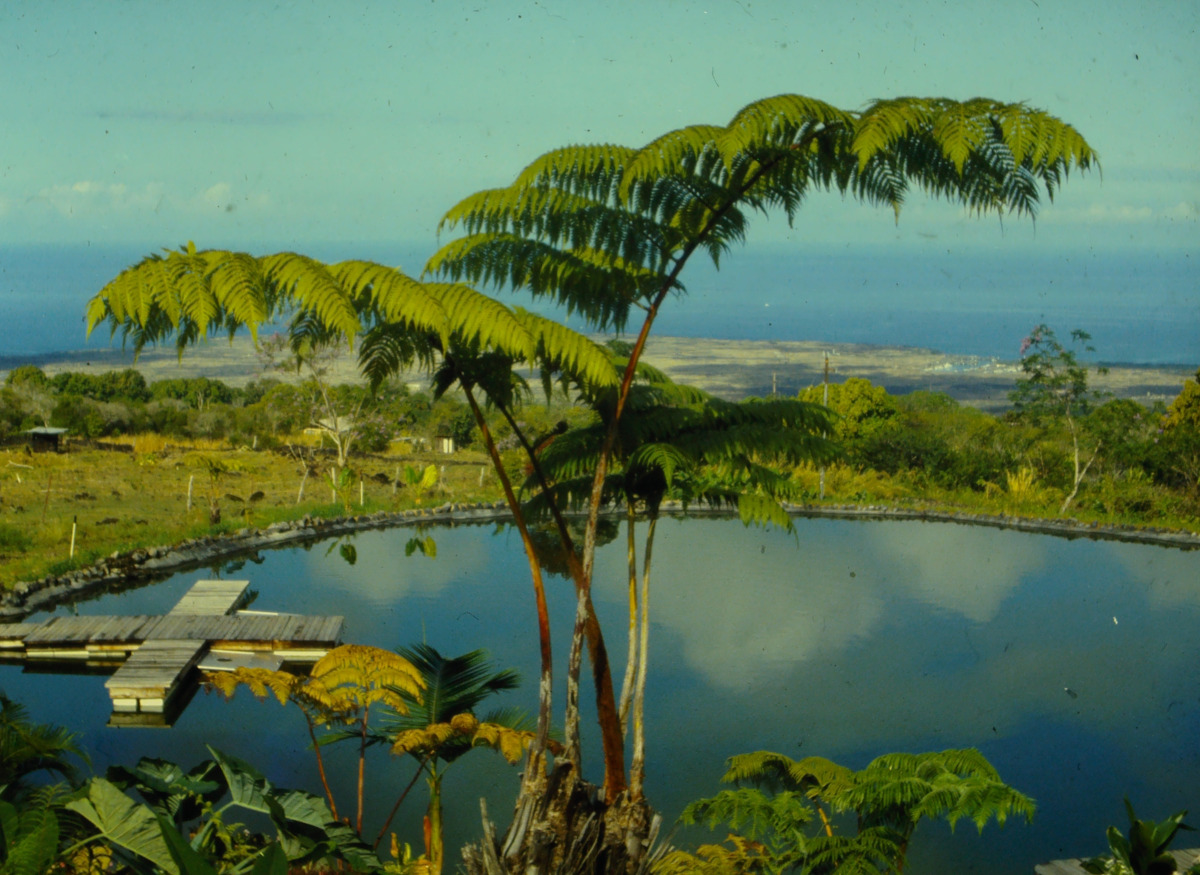
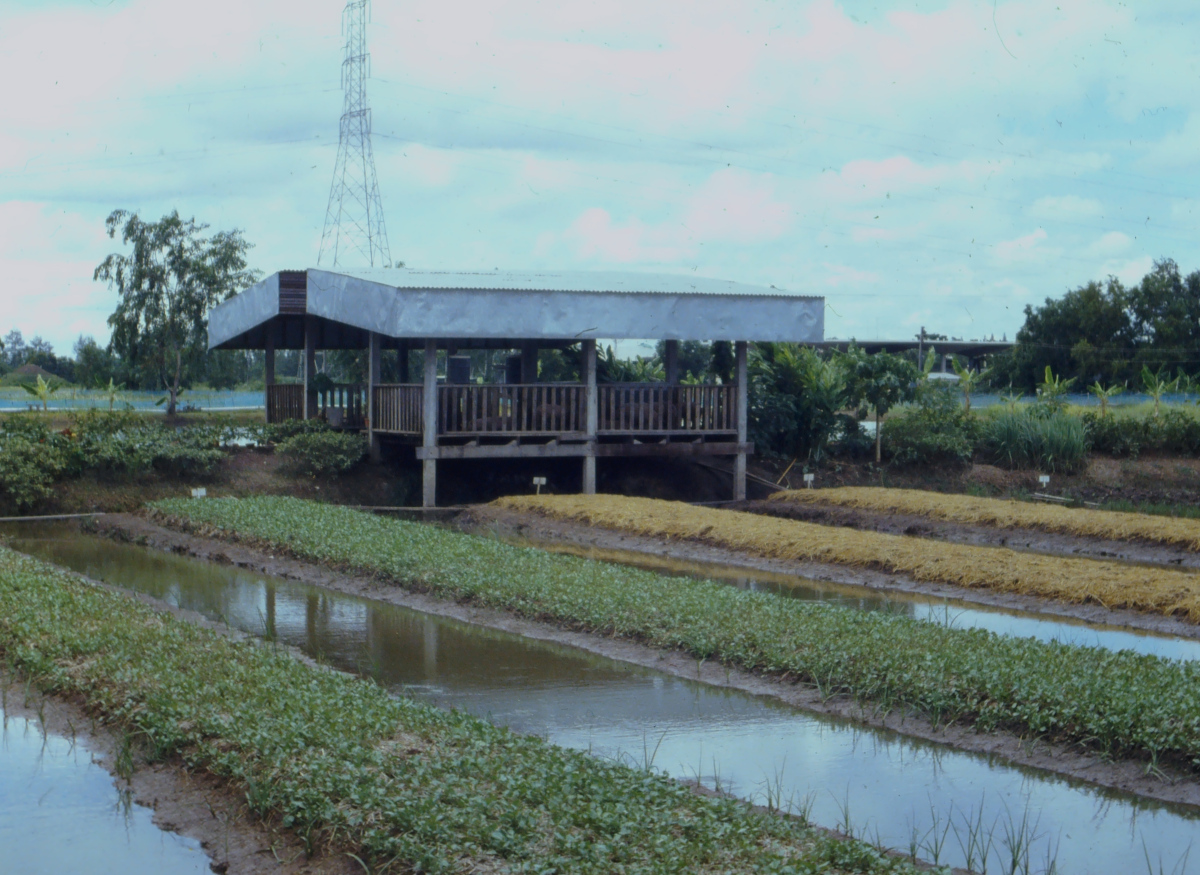


ECOLOGICAL AQUACULTURE INTERNATIONAL, LLC is a global research, development and consulting company organized to advance the applied sciences and sustainable development in ecological and restorative aquaculture and agriculture systems that are not only economically viable, but also steward the environments where they are located, and are socially and inclusive and just. We work in the complex nexus of social-political and climate changes in aquatic food systems to integrate aquatic foods into terrestrial food systems, renewable energy systems, soil, freshwater and marine conservation, protection, and restoration.
ASSOCIATES IN DEVELOPMENT
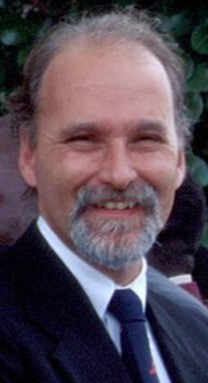 Barry Antonio Costa-Pierce (“BCP”) Ph.D. (Oceanography, University of Hawai’i; Hon.Doc.Sci., University of Gothenburg)
ORCID |
Google Scholar |
Loop |
LinkedIn
President/CEO and Chief Scientific Officer (CSO) of Ecological Aquaculture International, LLC. BCP has served for over 50 years as a fisheries and aquaculture research scientist and policy expert for international education and research organizations, banks, and marine industries throughout the World, while living long-term in Asia, the Pacific Islands, Africa, the Americas, and Europe. BCP is an Emeritus Professor at both the University of Rhode Island and University of New England. He serves the MARBIO Masters’ Programme as a Guest Professor in the Faculty of Biosciences & Aquaculture at Nord University, Bodø, Norway. BCP is a proud Portuguese (Azorean) American who splits time between Europe and the USA working in sustainable aquaculture R&D and governance for marine and freshwater species in tropical, desert, and temperate zones.
Barry Antonio Costa-Pierce (“BCP”) Ph.D. (Oceanography, University of Hawai’i; Hon.Doc.Sci., University of Gothenburg)
ORCID |
Google Scholar |
Loop |
LinkedIn
President/CEO and Chief Scientific Officer (CSO) of Ecological Aquaculture International, LLC. BCP has served for over 50 years as a fisheries and aquaculture research scientist and policy expert for international education and research organizations, banks, and marine industries throughout the World, while living long-term in Asia, the Pacific Islands, Africa, the Americas, and Europe. BCP is an Emeritus Professor at both the University of Rhode Island and University of New England. He serves the MARBIO Masters’ Programme as a Guest Professor in the Faculty of Biosciences & Aquaculture at Nord University, Bodø, Norway. BCP is a proud Portuguese (Azorean) American who splits time between Europe and the USA working in sustainable aquaculture R&D and governance for marine and freshwater species in tropical, desert, and temperate zones.
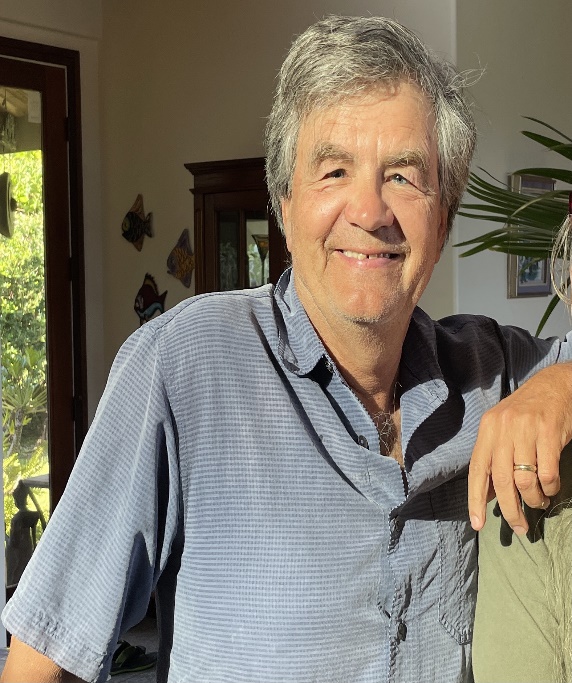 Page Nelson, B.A. (Anthropology, Yale University) lives in Berkeley, California, USA working as a project management consultant. He has assisted numerous business startups and organizational leaders on strategy and tactics, helping to promote effective communication, consensus building, and teamwork. Page is a board member of Asociacion ANAI, an internationally acclaimed NGO fostering and promoting sustainable development and community-based conservation in Costa Rica’s southeastern Talamanca region. In 2002, ANAI and its grassroots partners were honored with the prestigious United Nations Equator Prize recognizing "extraordinary accomplishment in reducing poverty in the tropics through the conservation and sustainable use of biodiversity in a World Heritage Area." Page was a founding partner of Shelterbelt, Inc., an ecological design, building and development firm. He also directed the Integral Urban House (IUH) in Berkeley, a pioneering organization that completed applied research on resource-conserving life-support systems (food, energy, shelter, water and waste management) to make cities more ecologically sustainable and healthy places to live, and one of first demonstrations of urban-scale “green” building technology. Results of the IUH were shared with thousands of visitors and through its many publications, including The Integral Urban House: Self-Reliant Living in the City (Sierra Club Books).
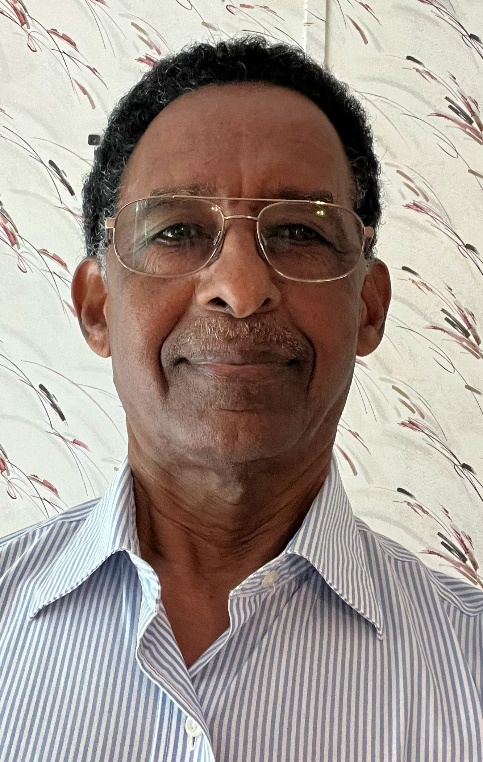 Kifle W. Hagos, Ph.D. (Environmental Science & Fisheries, University of Rhode Island)
LinkedIn |
Academia |
ORCID |
lives in Spotsylvania, Virginia, USA where he worked as an Earth Science teacher in the Spotsylvania County Public School system from 2022 to 2026 academic years. He is a fisheries/aquaculture consultant.
He was an Adjunct Professor at Roger Williams University in Bristol, RI for seven years teaching core science lectures and labs from 2012 to 2022. Simultaneously, as an international fisheries/aquaculture consultant he worked jointly with the URI Coastal Resources Center completing an EU project for an NGO – Adeso in Nairobi, Kenya on illegal (IUU) fishing in the territorial waters of Somalia. He travelled to Kenya and northern Somalia three times to recruit, train professionals and coordinate project activities.
Prior to graduate school, Kifle served for ten years at the Ministry of Marine Resources in Eritrea, East Africa in various positions, including four years as Director General of Fisheries Resources Management. Among other things, he oversaw a pioneering large scale integrated seawater farming system in Eritrea that included shrimp/tilapia aquaculture and Salicornia bigelovii farming using waste seawater from the aquaculture ponds for irrigation and wetlands creation. Kifle speaks a few more languages than his primary language of Tigrigna. He has expertise in integrated coastal ecosystems management, sustainable resource use in seafood production systems using life cycle analysis, and aquaculture development in arid coastal regions.
Kifle W. Hagos, Ph.D. (Environmental Science & Fisheries, University of Rhode Island)
LinkedIn |
Academia |
ORCID |
lives in Spotsylvania, Virginia, USA where he worked as an Earth Science teacher in the Spotsylvania County Public School system from 2022 to 2026 academic years. He is a fisheries/aquaculture consultant.
He was an Adjunct Professor at Roger Williams University in Bristol, RI for seven years teaching core science lectures and labs from 2012 to 2022. Simultaneously, as an international fisheries/aquaculture consultant he worked jointly with the URI Coastal Resources Center completing an EU project for an NGO – Adeso in Nairobi, Kenya on illegal (IUU) fishing in the territorial waters of Somalia. He travelled to Kenya and northern Somalia three times to recruit, train professionals and coordinate project activities.
Prior to graduate school, Kifle served for ten years at the Ministry of Marine Resources in Eritrea, East Africa in various positions, including four years as Director General of Fisheries Resources Management. Among other things, he oversaw a pioneering large scale integrated seawater farming system in Eritrea that included shrimp/tilapia aquaculture and Salicornia bigelovii farming using waste seawater from the aquaculture ponds for irrigation and wetlands creation. Kifle speaks a few more languages than his primary language of Tigrigna. He has expertise in integrated coastal ecosystems management, sustainable resource use in seafood production systems using life cycle analysis, and aquaculture development in arid coastal regions.
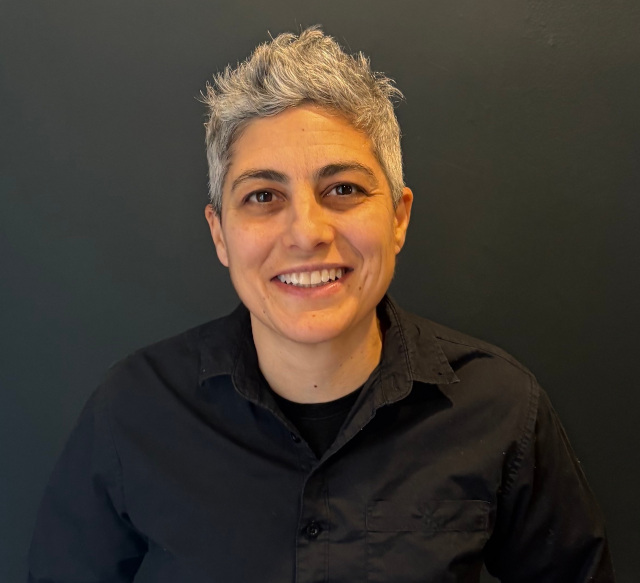 Cristina Sandolo, M.A. (Ocean Food Systems, University of New England), has worked in food justice and community food systems since 2008, proving concepts for early farmers market incentive programs and produce prescription programs, stewarding collaboration among national partner networks, and leading multiple organizations through critical phases of growth and development. Since earning a Professional Science Master's degree in Ocean Food Systems in 2021, Cristina has collaborated on projects focused on socially responsible aquaculture and fisheries development. Through her research, she established recommendations for racially equitable aquaculture industry development in the Mid-Atlantic. She serves on the board of Earth Ocean Food Systems (ETHOS) and on the Core Team of the Atlas for Values Based Aquaculture. Cristina works full time at Farm Aid, leading the organization’s grantmaking initiatives that support frontline organizations, provide relief to farmers in crisis, and amplify the voices of farmers to create systems change.
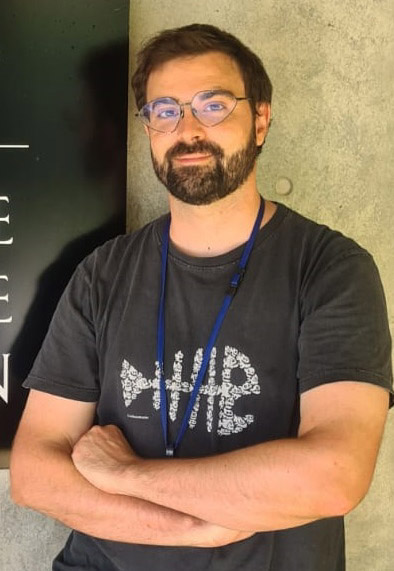 Jonathan A.C. Roques, Ph.D. (Biology, Radboud University Nijmegen) is a scientist originally from France working now in Sweden at the University of Gothenburg and SWEMARC, the Swedish Mariculture Research Center. He started his aquaculture journey doing Master’s and PhD degrees in collaboration between Radboud University Nijmegen and Wageningen University & Research, Netherlands examining animal health and welfare in aquaculture, work he continues at SWEMARC. Jonathan is also involved in the sustainable development of closed aquaculture containment systems in his collaborative project MARTINIS (MARiculture Technical INnovations In Sweden) together with the University of Hiroshima, Japan. He also shares his passion and knowledge for aquaculture with the new generation of aquaculture leaders as an instructor in the Nordic Master's Program in Sustainable Production and Utilization of Marine Bioresources
(MAR-BIO).
Jonathan A.C. Roques, Ph.D. (Biology, Radboud University Nijmegen) is a scientist originally from France working now in Sweden at the University of Gothenburg and SWEMARC, the Swedish Mariculture Research Center. He started his aquaculture journey doing Master’s and PhD degrees in collaboration between Radboud University Nijmegen and Wageningen University & Research, Netherlands examining animal health and welfare in aquaculture, work he continues at SWEMARC. Jonathan is also involved in the sustainable development of closed aquaculture containment systems in his collaborative project MARTINIS (MARiculture Technical INnovations In Sweden) together with the University of Hiroshima, Japan. He also shares his passion and knowledge for aquaculture with the new generation of aquaculture leaders as an instructor in the Nordic Master's Program in Sustainable Production and Utilization of Marine Bioresources
(MAR-BIO).
ORCID | Google Scholar
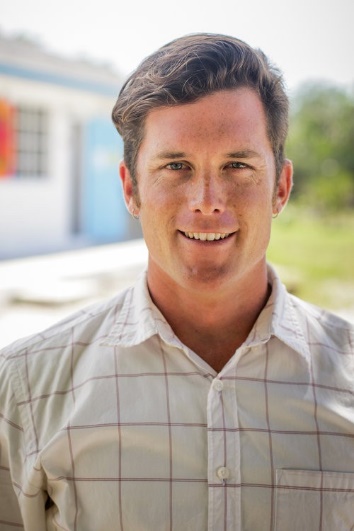 Micah Conkling, M.A. (Professional Science Masters, Ocean Food Systems, University of New England) is a marine-science researcher, aquaculturalist, and educator from midcoast Maine. His graduate research demonstrated policy avenues and commercial strategies through which ocean-farming stakeholders can promote sustainable small-scale mariculture development, and he has presented these results internationally. He has been a teacher at the secondary-school levels in the United States and The Bahamas, with transdisciplinary focuses on expeditionary learning, social license to operate, and food systems. His work more recently at the Hurricane Island Center for Science and Leadership included multitrophic ocean farm management, community-scale aquaculture development, and classroom-scale cultivation of Saccharina latissima kelp sporulation and out-planting. His experience also includes commercial Crassostrea virginica oyster farming, multinational fisheries conservation campaigns, and years of small-island community development projects and lobster fishing. Micah is expanding his aquaculture work into marine nutrient bioprospecting to incorporate seaweed bioremediation into climate change adaptation projects by diversifying municipalities and working-waterfront communities.
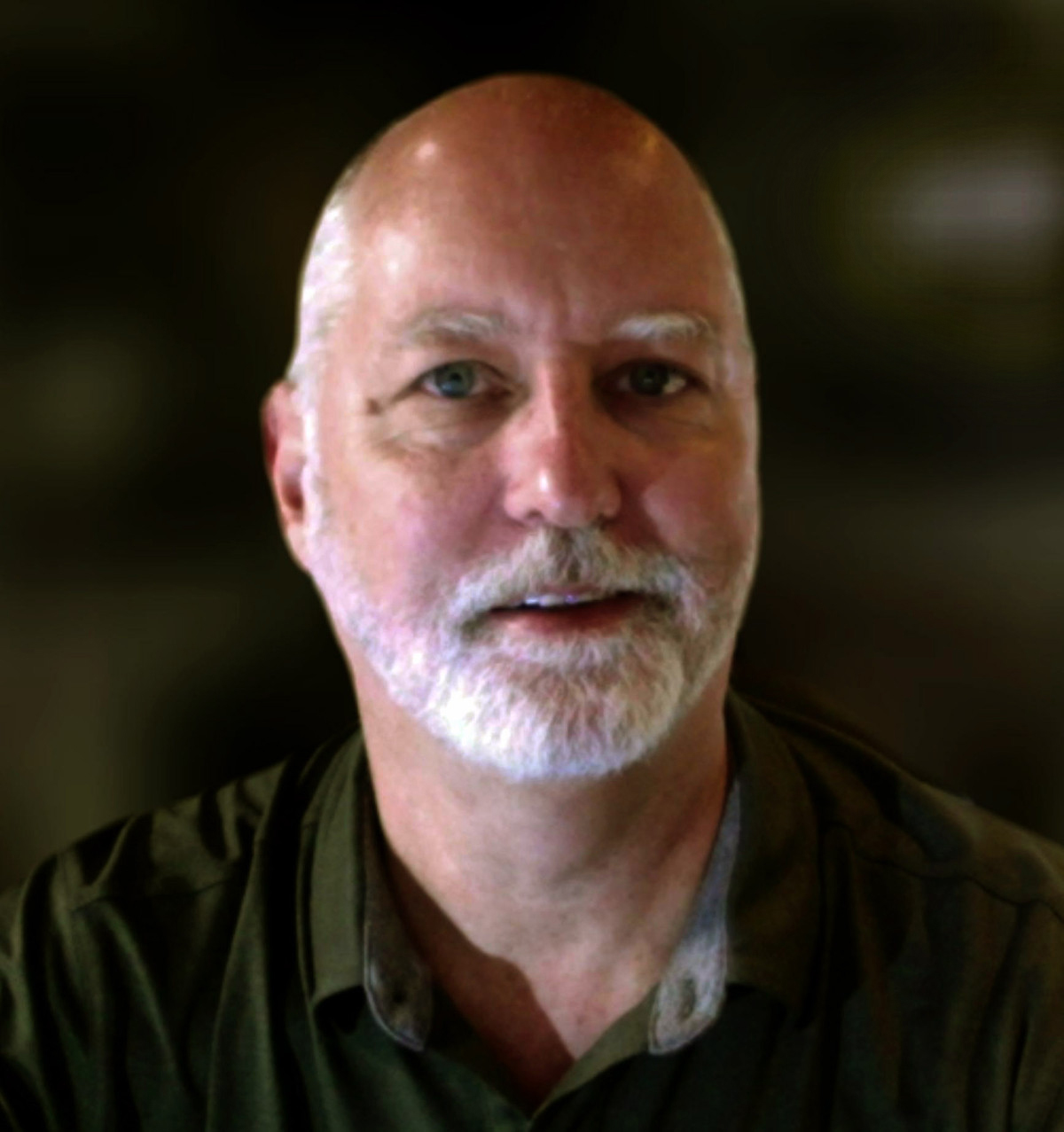 Roger Jacobs is a technology consultant based on the Hawaiian island of Kauaʻi. Drawing on decades of experience in software development, technology consulting, and healthcare, he specializes in applying practical technologies and systems thinking to address complex community challenges. He is a member of a multidisciplinary team developing an integrated agricultural and coastal aquaculture project inspired by the traditional Hawaiian ahupuaʻa land-use system, with the goal of strengthening food security and long-term resilience for island communities. Roger has a longstanding interest in the intersection of technology, agriculture, and environmental stewardship, with particular emphasis on sustainable food production, ecological restoration, automation, and the practical application of technology to support resilient local food systems.
The Ecological Aquaculture International LLC office and integrated aquaculture research site in Maine is located about 1 km inland from the North Atlantic Ocean. Ecological Aquaculture International recognizes this site is located on lands of the Sokoki Wabanaki Nation whose sovereign rights were stolen and sacred sites desecrated by colonialism, racism, and hatred. Ecological Aquaculture International recognizes the Sokoki and other Wabanaki Nations (Passamaquoddy, Penobscot, Maliseet, Mi’kmaq) as distinct, sovereign entities with self-governance and self-determination.
Copyright (c) 2017 - 2026 - Ecological Aquaculture International, LLC - All Rights Reserved
